 Written by Rona Sabatin
Content Writer, Johnson Creative · Updated
Written by Rona Sabatin
Content Writer, Johnson Creative · Updated
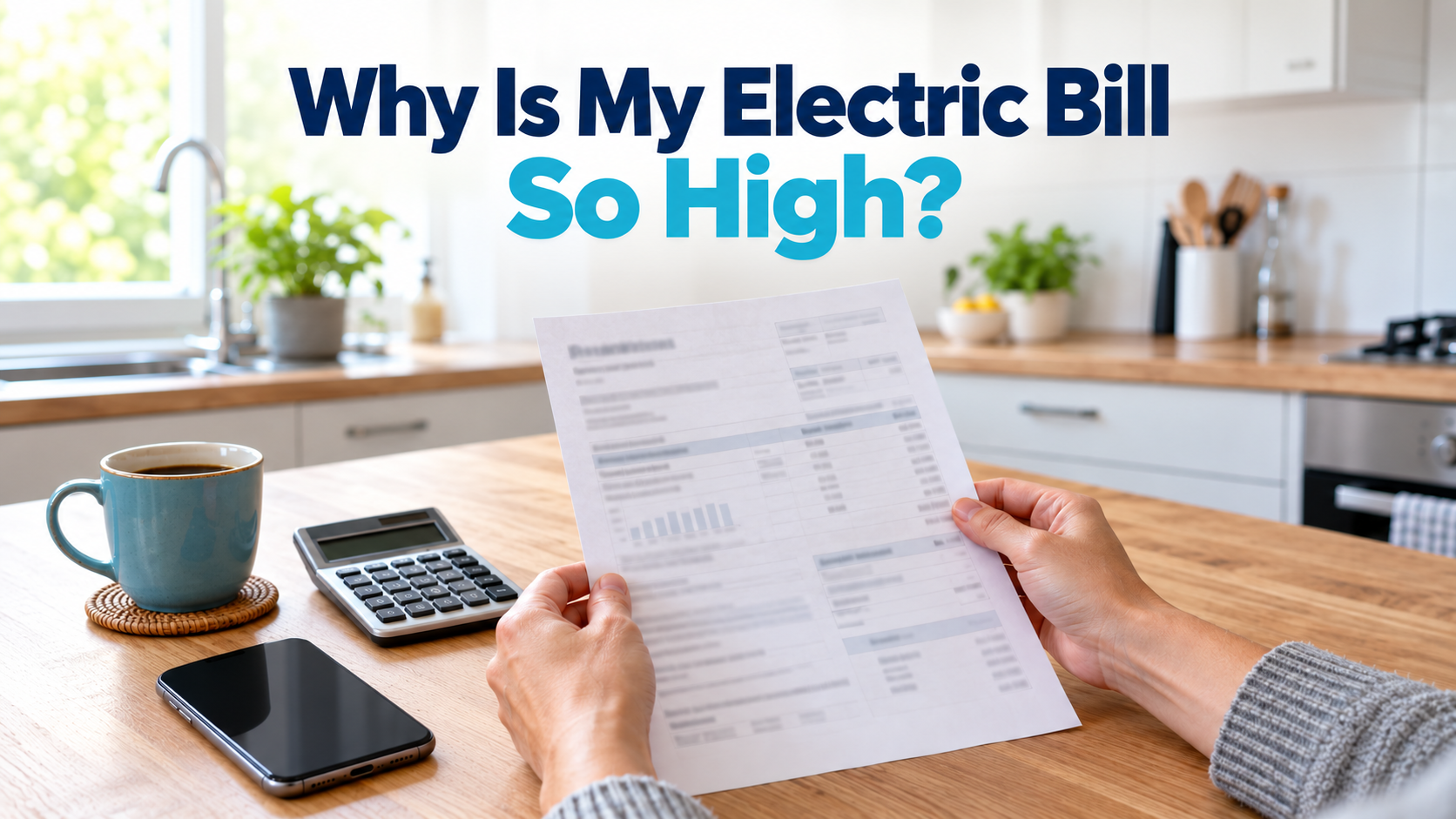
Why is my electric bill so high? Most high bills come from one of four things: you used more electricity, your price per kWh went up, the bill covered more days, or new fees, taxes or adjustments were added. Compare this bill's kWh, rate, billing days and charges with the same month last year. Heating, cooling, standby power and aging appliances are the most common reasons use goes up.
You open the bill and the number is far higher than you expected. Yet nothing big changed at home. There was no party and no new hot tub. So why is your electric bill so high?
Whether your bill says electric, power, energy or light, the reasons are usually the same. If you have been asking why your power bill is so high, most high bills come down to one of four things: you used more electricity, you paid more for each unit of it, the bill covered more days than usual, or new fees, taxes or adjustments were added. The bill itself usually tells you which one. Start there before you change anything at home.
This guide shows you how to read your bill for the cause, the 10 most common reasons a power bill jumps, and 10 steps to bring it back down.
How to Read Your Bill to Find the Cause
Pull up this month’s bill and last year’s bill for the same month. Compare four numbers:
- Electricity used, in kilowatt-hours (kWh). If this number went up, your home used more electricity.
- Price per kWh. If this went up, your rate changed. Your usage may not have changed at all.
- Number of days in the billing period. A 35-day bill costs more than a 28-day bill for the same daily use.
- Actual or estimated reading. Some bills show “estimated” or “E” next to the meter reading. An estimate can be high this month and corrected later.
Also scan the charges section. New fixed charges, taxes, surcharges, a lost credit or a correction from an earlier bill can raise the total even when these four numbers look normal.

Why Is My Electric Bill So High? 10 Common Causes
| Cause | Signs | What to check |
|---|---|---|
| Heating and cooling working harder | Higher kWh during a heat wave or cold snap | Thermostat setting, filter, how long the system runs |
| Rate went up | Price per kWh is higher, kWh is about the same | Rate and charges compared with last year's bill |
| Longer billing period | More days on the bill than usual | kWh divided by days, compared with last year |
| Estimated meter reading | "Estimated" or "E" next to the reading | Your actual meter reading |
| Heat pump backup heat | Thermostat often shows "aux" or "emergency heat" | Ask an HVAC technician to check the system |
| Plug-in heaters and pumps | Space heater, dehumidifier, pool pump or hot tub running for hours | Wattage label and daily run time |
| Standby power | Many electronics left plugged in and on standby | Power strips, idle devices |
| Aging or failing appliance | Sudden jump with no other change at home | Old fridge or freezer, worn AC |
| Water heating | More showers, laundry or guests | Water heater temperature setting |
| Changes at home | New appliance, EV charger, second fridge, more time at home | What changed during the billing period |
1. Heating and Cooling Are Working Harder
Heating and cooling use the most electricity in most homes. In 2020, air conditioning accounted for about 19% of U.S. home electricity use, and space heating about 12%, according to the EIA. A heat wave or cold snap can raise your bill even if nothing else changed.
If your AC seems to run all day, check these signs that your AC is running too much. To estimate the cost, see how much electricity your AC uses.
2. Your Rate Went Up
Utilities change their rates, and the price per kWh can rise even when your use stays flat. Compare the price per kWh on this bill with last year’s. Also check for new fees, fuel or supply charges, or the end of a promotional rate.
3. The Billing Period Was Longer
Bills do not always cover the same number of days. A longer billing period means more days of use on one bill. Divide the total kWh by the number of days to compare your daily use fairly.
4. The Meter Reading Was Estimated
If the utility could not read your meter, it may have estimated your usage. Look for “estimated” on the bill. If the estimate looks too high, send your utility a photo of your meter reading or ask for an actual reading.
5. A Heat Pump Is Using Backup Heat
Many heat pumps switch to auxiliary or emergency heat in very cold weather. That backup heat usually uses electric resistance heating, which uses much more electricity than the heat pump itself. If your thermostat shows “aux” or “emergency heat” often, ask an HVAC technician to check the system.
6. Space Heaters, Dehumidifiers and Other Plug-In Loads
Portable space heaters, dehumidifiers, pool pumps, hot tubs, aquarium heaters and electric blankets can add up, especially when they run for hours a day. Check the wattage on each device’s label and how long it runs.
High indoor humidity also makes your AC run longer. If your home feels damp, see these causes and fixes for high humidity in the house.
7. Standby Power ("Vampire Power")
Many devices draw power even when switched off or in standby: TVs, game consoles, cable boxes, chargers, computers and smart speakers. The U.S. Department of Energy (DOE) says this standby draw could add an extra 5% to 10% to your monthly utility bill.
8. An Aging or Failing Appliance
An old refrigerator or freezer, or a worn AC system, can use more electricity than it should. A sudden jump with no other change in your home can point to equipment that is struggling.
9. Water Heating
If your water heater is electric, it is one of the larger loads in your home. In 2020, water heating made up about 12% of U.S. home electricity use, according to the EIA. Longer showers, more laundry, or a guest staying over can all show up on the bill.
10. Changes in How You Use Your Home
More people at home, a new work-from-home routine, a new electric vehicle charger, a second fridge in the garage or a new appliance can all raise your use. Think back over the billing period for anything that changed.
Why Did My Electric Bill Double in One Month? {
A bill that doubles almost always has a clear cause on the bill itself. Use this table to narrow it down.
| What changed on the bill | What it usually means | What to do |
|---|---|---|
| kWh went up a lot | Your home used more electricity | Check heating, cooling, plug-in heaters and any new appliance. See the 10 causes |
| Price per kWh went up | Your rate or charges changed | Compare rates with last year. Ask your utility about plans and budget billing |
| More billing days | The bill covers a longer period | Divide kWh by days to compare your daily use |
| New fees, taxes or adjustments | Charges changed, not your use | Ask your utility to explain each new line on the bill |
| Reading marked "estimated" | The utility guessed your use | Send a photo of your meter or ask for an actual read |
| kWh doubled and nothing changed at home | Possible failing equipment, a billing error or a meter problem | Contact your utility. See when a high bill points to a problem |
If the kWh doubled and you cannot find a reason at home, see “When a High Bill Points to a Problem” below.
Why Is My Electric Bill So High in Winter or Summer?
Your bill can peak in either season, depending on how you heat and cool your home.
- Summer: air conditioning runs longer. Electricity prices are also usually highest in summer, when total demand is high, according to the EIA.
- Winter: homes with electric heat, a heat pump or space heaters use more electricity. Shorter days also mean more lighting.
If you heat with gas, your electric bill will usually peak in summer and your gas bill in winter. If your home is all-electric, winter may be your most expensive season.
How to Lower Your Electric Bill in 10 Steps
Start with the steps that cost nothing. Then move to the ones that need a small purchase.

1. Adjust Your Thermostat
The DOE says you can save up to 10% a year on heating and cooling by turning your thermostat down 7°F to 10°F for 8 hours a day. In summer, the same idea works in reverse: set it higher while you sleep or are away. A programmable or smart thermostat can do this for you.
If you have a heat pump, be careful with large setbacks in winter. The DOE warns against manually setting back a heat pump’s thermostat if it causes backup electric-resistance heating to come on, which costs more. A smart or programmable thermostat designed for heat pumps helps avoid this.
2. Use Ceiling Fans
Using a ceiling fan lets you raise the thermostat about 4°F without any loss in comfort, according to the DOE. Turn fans off when you leave the room. Fans cool people, not rooms.
3. Replace Your HVAC Filter
A clogged filter makes your system work harder. Replacing a dirty, clogged filter can lower your air conditioner’s energy use by 5% to 15%, according to the DOE. Check it every month or two during heavy use.
4. Set Your Water Heater to 120°F
The DOE recommends setting your water heater to 120°F, a temperature it considers safe for most people. Many water heaters come from the factory set higher. Check your water heater’s manual before you change the setting.
5. Cut Standby Power
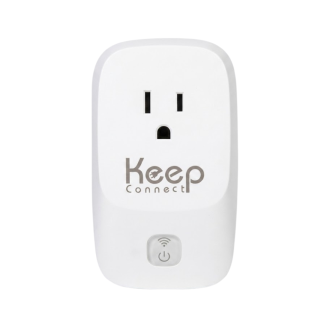
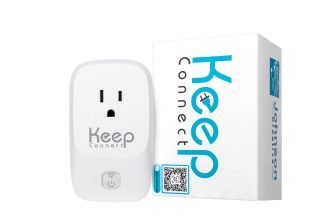
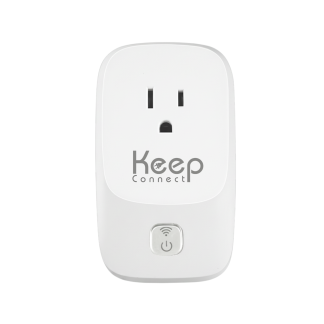
Plug TVs, game consoles and computer gear into a power strip and switch it off when you are not using them. A smart plug or an advanced power strip can do this on a schedule. Our guide to measuring your home electricity usage shows how to find which devices draw power while idle.
6. Shift Big Loads to Off-Peak Hours
If your utility has a time-of-use plan, run the dishwasher, washer and dryer during off-peak hours. This only saves money on a time-of-use plan. On a flat-rate plan, the price is the same all day. Check your bill or call your utility to find out which plan you are on.
7. Wash Laundry in Cold Water and Air-Dry When You Can
Washing in cold water means your water heater does less work for each load. Air-drying some loads means the dryer runs less often.
8. Seal Air Leaks
Gaps around doors, windows and attic hatches let heated or cooled air escape. Weatherstripping and caulk are low-cost fixes. Many utilities offer free or low-cost home energy audits that find the biggest leaks.
9. Rethink an Old or Second Refrigerator
Older refrigerators use more energy than new efficient models. ENERGY STAR says a refrigerator over 15 years old could be costing you about $95 a year to run, and that a new ENERGY STAR-certified model can save about $150 over its 12-year lifetime. If you keep a second fridge in the garage, ask whether you need it.
10. Measure Your Biggest Loads
If the bill stays high, measure what each major appliance actually uses. A plug-in electricity usage monitor or a whole-home monitor shows where the power goes. See how to monitor your home electricity usage for the step-by-step method.
Also ask your utility about budget billing, which spreads costs evenly across the year, and about any rebates for efficient equipment.
When a High Bill Points to a Problem
Sometimes a high bill means something is wrong.
Find Out What Is Using Your Electricity
A high electric bill has a cause, and the bill usually points to it. Check your kWh, rate, billing days and meter reading first. Then work through the causes and steps above, starting with the free ones.
To find exactly which devices use the most, measure them one at a time, as Step 10 explains.
Frequently Asked Questions
Why is my electric bill so high when I haven't used more electricity?
Check the price per kWh, the number of billing days, whether the meter reading was estimated and the charges section. A rate increase, a longer billing period, a high estimate, or new fees, taxes or adjustments can raise the bill even when your use stays the same.
Why did my electric bill double in one month?
First, compare this bill with the same month last year. If the kWh doubled, look at heating, cooling and new appliances. However, if the rate rose, the price changed, not your use. Finally, if kWh doubled and nothing changed at home, contact your utility to check the reading and the meter.
What uses the most electricity in a house?
In U.S. homes, air conditioning, space heating and water heating are the largest electricity uses, according to the EIA. Lighting and refrigerators come next. Your home's top uses depend on your climate and whether you heat with electricity.
Is the electric bill higher in winter or summer?
It depends on how you heat and cool. Homes with central air often peak in summer, when electricity prices are also usually highest. All-electric homes with electric heat or a heat pump may peak in winter.
Does unplugging appliances save money?
It can. Many electronics draw power on standby, and the DOE says this can add 5% to 10% to a monthly bill. A switchable power strip makes it easy to cut standby power for a group of devices at once.
How can I lower my electric bill fast?
Start with free changes: adjust your thermostat when you sleep or leave, use ceiling fans, replace a dirty HVAC filter and switch off electronics on standby. Then check your rate plan and ask your utility about budget billing.
Sources
- U.S. Energy Information Administration, average monthly residential electricity use (2022 data)
- U.S. Energy Information Administration, electricity use in homes (2020 data)
- U.S. Energy Information Administration, prices and factors affecting prices
- U.S. Department of Energy, Energy Saver Guide (2022)
- U.S. Department of Energy, maintaining your air conditioner
- ENERGY STAR, refrigerators
About the Author
Rona writes guides for Johnson Creative on router rebooting, internet reliability and home monitoring. Product details come from Johnson Creative's manuals and support articles.