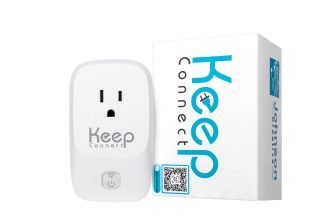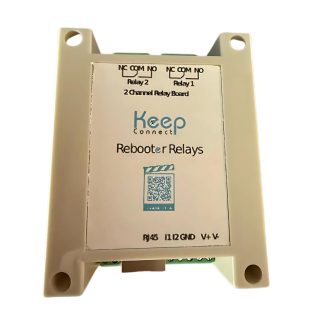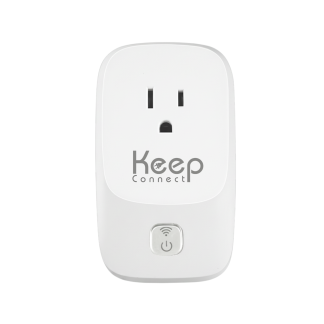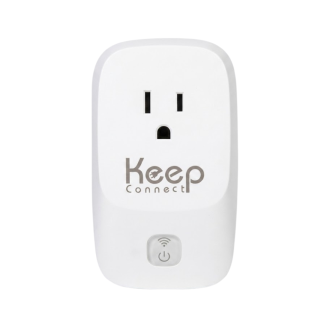
Both of these devices protect your home from water damage, but they do it in entirely different ways. Choosing the wrong one means you might still miss the problem that causes the most damage.
A water leak sensor (WiFi) will alert you if it senses water where it shouldn’t be. A sump pump monitor monitors the activity of your pump and alerts you when your pump is showing signs of trouble. One is responsive. The second is looking ahead. For many homes, neither one nor the other is the best answer; it’s both, in the right places.
Table Of Contents
1.What Is a Water Leak Sensor and What Does It Do?
1.1 How contact sensors detect water
1.2. Best placement locations in a home
1.3. Reactive protection: It alerts you when water has already arrived
2. What Is a Sump Pump Monitor and What Does It Do?
2.2. How electrical load monitors work
2.3. Proactive protection: it detects pump failure before water escapes the pit
2.4. What Pump Pal monitors (run time, cycle frequency, power draw)
3. Water Leak Sensor vs Sump Pump Monitor: Side-by-Side Comparison
4. Which One Does Your Home Need?
4.1. If you have a finished basement, start with a sump pump monitor
4.2. If you have kitchen appliances, a water heater, or a washing machine, then add water sensors
4.3. If you have both — use both (they cover different failure modes)
5. Water Pal and Pump Pal by Keep Connect: Used Together
5.1. How the two devices complement each other
5.2. Total coverage for water damage prevention
6. Frequently Asked Questions
What Is a Water Leak Sensor and What Does It Do?
A water leak sensor is a small device that detects water when moisture comes into contact with the sensor contacts. The idea is to alert you quickly to water where it doesn’t belong.
That makes it great for leaks, appliance failures, plumbing problems, and early detection of water in the basement.
If you are shopping for the best water leak detector to protect your home, the most important thing to know is what it can and can not do. A water sensor is great for detecting water once it has reached the sensor. It doesn’t usually say why the water was there or if a pump is going to go out.
How contact sensors detect water
Most water leak sensors have small metal contacts or probes. When water touches those contacts, it completes the circuit. The device then sends an alert either by an app, SMS, email, or local alarm depending on the system.
The sensor does not have to be in deep water. It takes just a tiny bit of moisture on the contact points to set off an alert.
Contact sensors are useful for detecting:
- Water around the sump pit
- A water heater that leaks
- Hose failure in a washing machine
- Dishwasher leak
- Leaks in a sink cabinet
- Clogged toilet
- Leak in the basement
- Water around HVAC equipment
- Moisture in crawl spaces, appliance leaks
For home use, a water detector is most effective when installed in a place where water is likely to appear first.
Best placement locations in a home
Placement is everything.
A water leak sensor is only going to detect water that hits the sensor. If the sensor is on the wrong side of the room, water may spread before the device warns you.
Good spots to put them are:
- Next to the sump pit
- Near the heater
- In kitchen sinks
- Under bathroom sinks
- At the back or side of the washing machine
- Close to the dishwasher
- By the basement floor drains
- In crawl spaces.
- Near air-conditioner drain lines
- Beneath refrigerators with water lines
- Next to toilets
- In the low basement corners
To protect against basement flooding, place one sensor next to the sump pit and the other at the lowest point where water tends to gather.
Multiple sensors for whole-home water damage prevention. If a washing machine leaks upstairs, a sensor at the water heater won’t know. A sensor located near the sump pit will not detect a leak from a dishwasher in the kitchen.
You can learn more in the Water Leak Detection Pillar Page or compare options in Best WiFi Water Leak Detectors 2026.
Reactive protection: It alerts you when water has already arrived
Water leak sensors are reactive protection.
This isn’t to say it’s bad. This way, the device will alert you once the water gets to the sensor.
For example:
When a pipe leaks, water touches the sensor.
A washing machine has a burst hose and water is flooding the floor.
Water leaking into a corner of a basement window well.
The sump pit overflows and the water reaches the sensor near the sump pit.
In each case the sensor provides you with early warning instead of detecting the problem hours later. But they’re already in the water.
So a water leak sensor is best at catching visible water fast. It is not designed to warn you if your sump pump is having an issue before the water overflows the sump pit.
What Is a Sump Pump Monitor and What Does It Do?
A sump pump monitor monitors pump behavior.
Instead of waiting to see if water hits the floor, it watches how the pump is running. This is important because sump pumps often send out warning signals before the basement is flooded.
A pump can run too long, cycle too often, and may stop running when it should be running. It may indicate electrical load patterns indicative of a dry run, overload, clog, air lock, stuck float, blocked discharge, or early pump failure.
It all comes down to time when talking about sump pump monitors vs. water sensors. A water sensor alerts when water is sensed. A sump pump monitor detects sump pump issues.
How electrical load monitors work
Smart sump pump monitors like Pump Pal by Keep Connect analyze the electrical load and power-usage patterns of the pump.
Each pump has normal operating behavior. If the pump works, or if it strains or cycles when it is engaged, that is a pattern. Pump Pal uses these patterns to help locate abnormal operation.
This can include:
- Dry-run behaviour
- Conditions of Overload
- Floating switches stuck
- Restricted or blocked discharges
- Air-lock design
- Unusual run cycles
- Pump runs too long
- Too much pump cycling
- Unusual activity patterns
- Pump Failure Indicators
The benefit of this type of monitor is that it doesn’t require an extra float switch or water probe in the sump pit. Pump Pal is a device that is installed between the pump and outlet, connects to WiFi, self-calibrates, and starts monitoring pump activity.
Proactive protection: it detects pump failure before water escapes the pit
A sump pump monitor is a proactive way to protect your home.
It can notify you if the pump is acting strange, even before water reaches the basement floor.
This is especially important in storms. Your pump may be running but not moving water properly. Or it could be running too often because water is flowing back into the pit. Or a float that is stuck can cause the pump to run continuously until the motor overheats.
Without a monitor, you may not know there is a problem until water is leaking out of the sump pit.
Using a monitor, you can be warned when the pump shows signs of trouble.
That means you have time to:
- Inspect the sump pit
- Check the float
- Check for a plugged discharge line.
- Call a plumber.
- Send someone to the place
- Bad pump change
- Avoiding pump burnout
- Lower flood risk
That’s why a sump pump monitor is often the better first choice for homes where the sump pump is the primary line of flood defense.
What Pump Pal monitors (run time, cycle frequency, power draw)
Pump Pal monitors the pump behavior by tracking activity and power usage data.
It may help you keep track of:
- Cycle pump
- History of Runtime
- How often runs are
- Anomalies of Power
- Unusual operating patterns
- Trends in Pump Activity
- Possible blockages
- Possible air-lock situations
- Stuck float behaviour is possible
- Possible overloading behavior
- Early indications of performance loss
That gives you more information than a simple water alarm would.
A basic water alarm just says, “Water is here.”
Pump Pal will help you know, “Your pump behavior is not normal.”
That makes a difference because the pump is supposed to stop the flood before the water hits the floor.
Water Leak Sensor vs Sump Pump Monitor: Side-by-Side Comparison
Here is the simplest way to compare them.
| Feature | Water Leak Sensor | Sump Pump Monitor |
|---|---|---|
| Installation | Place sensor on floor or near leak-prone area | Plug monitor into outlet, then plug pump into the monitor. |
| What it detects | Water or moisture touching the sensor | Pump activity, runtime, cycle frequency, and electrical load patterns |
| Type of alert | Alerts when water appears | Alerts when pump behavior becomes abnormal |
| Coverage area | Only detects water where the sensor is placed | Monitors the connected pump’s operation |
| Best for | Water heaters, sinks, washing machines, basement floors, appliance leaks | Sump pumps, well pumps, utility pumps, sewage/ejector pumps, basement flood prevention |
| Protection type | Reactive | Proactive |
| Main limitation | Water must reach the sensor first | Focuses on pump behavior, not every possible leak in the home |
| Best use case | Catching leaks quickly after water appears | Catching pump problems before water escapes the pit |
A basement flood sensor is useful, but it depends on what your risk is that you are trying to catch.
If the greatest concern is a leaking appliance, then invest in a water sensor.
However, if your biggest fear is sump pump failure, buy a sump pump monitor.
If flooding in your basement during storms is your greatest concern, use both.
Which One Does Your Home Need?
The right answer will depend on where water damage is most likely to start.
Water sensors for some houses first. Some need to get a pump monitor first. A lot need both.
If you have a finished basement, start with a sump pump monitor
Especially if your basement is finished, your sump pump is one of the most important devices you need to have.
A finished basement can have flooring, drywall, furniture, electronics, storage, a home office, gym equipment, or a guest room. Damage can be costly and disruptive when a sump pump fails during heavy rain.
A sump pump monitor should become a priority in this case.
Why’s that?
Your sump pump is supposed to keep the water from getting to the floor in the first place. “You want to know if the pump is giving you warning signs before the pit overflows.
Still nice to have a water sensor near the sump pit. But the water may be out of the pit by the time that sensor sounds the alarm.
First, let’s look at the pump monitor. Then add water sensors for detection of backup.
For a more in-depth setup guide, read How to Set Up a Sump Pump Monitoring System.
If you have kitchen appliances, a water heater, or a washing machine, then add water sensors
Water sensors are great around appliances and plumbing fixtures.
Use as close to:
- Washing machines
- Water Heaters Hot
- Dishwashers (Dishwasher)
- Water line refrigerators.
- Washrooms
- Washbasin cabinets
- AC condensation line
- Utility rooms
- Floor drain in basement
These are cases where a sump pump monitor will not be of help, as the problem is not pump performance. It’s a leak or overflow from another part of the home.
A WiFi water leak sensor will give you an earlier warning when water shows up around those areas.
That can mean the difference between cleaning up a small leak and replacing damaged flooring, cabinetry, drywall or ceilings.
If you have both — use both (they cover different failure modes)
Water sensors and sump pump monitors are not the same.
They guard against different failure modes.
A water leak sensor helps detect:
- Leaking appliances
- Leaks ( plumbing )
- Water heater leaking.
- Leaking washing machine hose.
- Toilet overflowing
- Seepage in basement
- Water on the ground
A sump pump monitor helps to catch:
- Pump running too long
- Too frequent pump cycling
- Possible dry-run behaviour
- Possible Overloads
- Stuck float possible
- Possible blocked outfall or blockage
- Possible air-lock situation
- Early pump performance issues
Layered protection for your home comes from using both.
The sump pump monitor monitors the system that prevents flooding. The water sensor is there to look out for water that gets past that system or comes from some other source.
That’s the best approach to water damage prevention.
See How to Prevent Basement Flooding for storm-specific guidance.
Water Pal and Pump Pal by Keep Connect: Used Together
Both Water Pal and Pump Pal address different problems.
Water Pal notifies you when water comes. The Pump Pal warns you when the pump is acting up.
Combined, they provide a more complete water protection system for basements, utility areas, vacation homes, rentals, and properties that are not checked on a daily basis.
How the two devices complement each other
Water Pal is your “water’s here” alarm.
Pump Pal is your “your pump may be in trouble” alert.
This is what it looks like in real life:
- Pump Pal will notify you if your sump pump is running for too long.
- You check the sump pit before it spills over.
- Water Pal will alert you if water is on the floor anyway.
- Pump Pal displays run history and abnormal activity.
- Water Pal tests for moisture intrusion in a protected area.
This multi-layered arrangement helps to minimize blind spots.
If the pump breaks down, Pump Pal can alert you to abnormal behavior. If water is coming from another source, Water Pal can tell you where it is placed.
That’s why a comparison of Water Pal and Pump Pal shouldn’t always end with a choice of one. Together they are stronger.
Total coverage for water damage prevention
No single appliance can detect all the water problems in all homes.
A dishwasher leak upstairs can’t be detected by a sump pump monitor. A water sensor won’t tell you that your pump is running too long before water escapes the pit.
But between Water Pal and Pump Pal, you’ve got the two most important components of home water protection covered:
Is the pump working normally?
Is there water where there shouldn’t be?
That combo is especially useful when you use the following:
- Finished basements
- Homes with sump pump pits
- Vacation rentals
- Rental properties
- Crawl space
- Utility rooms
- Houses with Water Heaters or Washing Machines
- Homes in flood-risk areas
- Places where there’s never a soul to check on
Product information is available on the Water Pal product page and Pump Pal product page.
“Water Pal and Pump Pal by Keep Connect work together to give your home complete water protection—sensors that alert you when water is detected and a monitor that alerts you before the pump goes down. “Check them both out at johnson-creative.com.”
Frequently Asked Questions
A water leak sensor detects when water touches the sensor. A sump pump monitor checks the pump for activity and then notifies you if the pump is acting strangely, such as long run times, unusual cycling, overload, dry-run behavior, or potential stuck float problems.
Yes, many homes still need water leak sensors. A sump pump monitor will watch the pump, but it won’t detect a leak from a water heater, washing machine, toilet overflow, or water under a kitchen sink. Water sensors monitor the area outside of the sump pump system.
If you have a sump pump in your basement, a sump pump monitor is a must-have. We will have water sensors to alert us when there is water. A sump pump monitor can provide earlier warning that the pump is having trouble before water leaves the pit.
Place water leak sensors around the sump pit, water heater, washing machine, dishwasher, refrigerator water line, under sinks, near toilets, in crawlspaces, and at low points in the basement where water is most likely to be.
A sump pump monitor can alert you to pump issues before your home floods. A water alarm is better for water that’s already on the floor. They are not the same device, and many homes are better off with both.
Yes. Water Pal detects water at the location of the sensor. Pump Pal detects pump activity & abnormal operation. They work together to provide you with better protection from pump failure, basement flooding, and leaks elsewhere in the house.