
Ninety-eight percent of basements will experience some form of water damage. The good news is that most of it is preventable. This checklist walks through every layer of protection from the roof to the sump pit.
If you want serious water damage protection, you need more than one solution. A sump pump helps to remove water. Gutters and grading move water away from the house. Sealed cracks = less seepage. A basement water detector sounds when water appears. A sump pump monitor will let you know if your pump starts to have problems.
Use this 15-point checklist to locate the weak spots before the next storm arrives.
Table Of Contents
1. The 4 Layers of Basement Flood Protection
2. Layer 1: Exterior Drainage Checklist (5 Items)
2.1. Gutters clean and downspouts extending 6+ feet from foundation
2.2. Soil graded away from foundation (6 inches drop in 10 feet)
2.3. Window wells clear and covered
2.4. Driveway and walkway cracks sealed
2.5. Neighboring water runoff redirected
3. Layer 2: Foundation and Wall Sealing Checklist (4 Items)
3.1. Interior and exterior cracks sealed with hydraulic cement
3.2. Vapor barrier installed in crawl space
3.3. Window well drains functional
3.4. Floor drain clear and accessible
4. Layer 3: Sump Pump Maintenance Checklist (4 Items)
4.1. Test pump by pouring bucket of water in pit
4.2. Inspect float switch movement
4.3. Verify discharge pipe is draining away from foundation
4.4. Consider battery backup or secondary pump
5. Layer 4: Electronic Monitoring Checklist (2 Items)
5.1. Install a sump pump monitor for real-time alerts
5.2. Place water sensors at all secondary risk points
6. Printable Checklist Summary
7. Frequently Asked Questions
The 4 Layers of Basement Flood Protection
Basement flooding is often the result of one or more layers of protection failing.
Roof runoff dumps right next to the foundation, and water can enter. It may enter through cracks, accumulate in window wells, and may overload the sump pit. Or maybe the sump pump fails during the very storm you need it most.
That’s why an effective checklist for preventing basement floods should have four layers of:
Exterior drainage – directing water away from the foundation.
Foundation sealing—filling the holes that water gets in through.
Interior drainage – ensuring that water has a path to the sump system.
Electronic monitoring—receiving alerts when water is present, or the pump is having problems.
One layer alone won’t be enough.
A waterproof coating is useless if downspouts are dumping water against the wall. If the power goes out or the float switch sticks, a sump pump is useless. A water sensor doesn’t stop water from coming in, but it can tell you when a small leak is about to turn into a big mess.
Layered protection is the best approach.
Layer 1: Exterior Drainage Checklist (5 Items)
Most of the flooding in the basement begins outside.
Usually water will pool around the foundation before it gets into the basement. The first goal is simple: get water away from the house before it becomes a basement problem.
Gutters clean and downspouts extending 6+ feet from foundation
Your first line of defense against basement water is downspouts and gutters.
When gutters get clogged, the rainwater will overflow the top and fall directly beside the foundation. Close-downspouts can lead to roof runoff saturating the soil that surrounds basement walls.
Ensure that:
- Keep gutters clean of debris and leaves.
- Downspout securely fastened.
- Downspout extensions should carry water away from the foundation at least 6 feet, where possible.
- Water will not drain away from basement windows.
- The extensions do not face back to the house.
- Splash blocks or extensions stay in place in storms.
This is one of the simplest and cheapest steps to prevent basement water damage.
Need storm-specific tips? Read How to Prevent Basement Flooding During Summer Storms.
Soil graded away from foundation (6 inches drop in 10 feet)
The soil around your house should slope away from the foundation.
A general rule of thumb is a drop of 6 inches or so over the first 10 feet away from the house where practical. This allows rainwater to run off instead of collecting against the basement walls.
Walk around the house after it rains and search for low spots.
Look out for:
- Water gathering around the foundation
- The dirt fell up against the house
- Mulch against siding holding moisture
- Water-holding landscape beds
- Sloping patio or walkways toward the house
- Downspout water back-flowing to the wall
If water consistently collects around the foundation, you may need to improve grading.
Window wells clear and covered
A downpour can fill window wells rapidly.
If the drain is clogged, or the well fills with leaves, mulch, or dirt, water can build up against the basement window. As far as the frame goes, it can find its way through small openings or flow into the basement.
Inspect all window wells:
Clear leaves, dirt, and debris.
Check drain is visible and not blocked.
Make sure the well cover is secured.
Look around the window for any gaps.
Look for water stains on the inside of the basement window.
Keep mulch and soil below the window opening.
A covered, draining window well is much safer than an open well that fills with water every time it storms.
Driveway and walkway cracks sealed
Water can get into driveways, patios, and walkways through cracks.
These surfaces can slope toward the house, and cracks can direct water into the foundation or into spaces near the basement walls.
Seal cracks where appropriate, particularly at edges of:
- Foundation borders
- Window wells in basement
- Exterior basement stairs.
- Walkways by the house
- Driveway areas near garage or foundation
- Patio slabs up against the house
Small cracks may look harmless, but they can channel water where you don’t want it during a downpour.
Neighboring water runoff redirected
Your water problem doesn’t always start on your roof.
Water from a neighbor’s yard or driveway, from a hill, or from a drainage system may be a threat to your foundation. This scenario is common when homes are close together or if the lot slopes in one direction or the other of the house.
Check out water flow patterns after rain.
If water is coming from another property or from higher ground, you may need:
- A swale
- French drain
- Level
- Redirecting downspouts
- Drain surface
- Design of landscape drainage
Don’t discount runoff simply because it originates beyond your property line. If it ends up next to your foundation, it’s your basement’s problem as well.
Layer 2: Foundation and Wall Sealing Checklist (4 Items)
The next layer is sealing, when water hits the foundation.
This is the part of the process where many homeowners think about how to waterproof a basement. The real answer is – it depends on where the water is coming in, how much pressure is on the outside of the wall, and whether the problem is seepage, cracks, drainage failure, or sump overflow.
Interior and exterior cracks sealed with hydraulic cement
Don’t overlook foundation cracks.
Small cracks can allow water to seep in during storms. If the cracks are getting larger, moving, or the walls are bowing, a professional inspection may be needed.
Seal minor non-structural cracks to prevent water entry with hydraulic cement or an appropriate masonry sealant. If the source of water is on the outside of the wall, then exterior sealing is more effective.
Make sure to inspect for:
- Vertical cracks in foundation
- Cracks at floor/wall intersection
- Holes around pipe or utility penetrations
- Basement wall water stains
- White mineral deposits (efflorescence)
- Wet spots after rain
If cracks are structural or happen again, call a foundation specialist.
Vapor barrier installed in crawl space
If there is any exposed soil, ground moisture can migrate into the crawl space and increase the humidity. That moisture over time can affect wood framing, insulation, air quality, and the basement or lower level.
A ground moisture barrier keeps ground moisture from entering the crawl space.
Verify that:
The vapor barrier covered the exposed earth.
Seams are overlapped and fastened down.
The edges are sealed where possible.
No standing water collects below the barrier.
Depending on your climate and home design, you may need vents, drains, or encapsulation.
If your crawl space smells musty or stays damp, you may want to consider a professional moisture inspection.
Window well drains functional
A window well cover helps, but drainage is also important.
If the well drain is blocked, water may still pool in heavy rain. The window becomes the weak point when the well fills.
Drainage check: Does the water disappear after rain? If water collects repeatedly in the same window well, the drain may be blocked or disconnected.
Look for signs of window well drain problems, such as:
Water standing in the well
Silt or mud accumulation
Water stains below the basement window
Mold smell by the window
Leaks during storms are frequent
A window well drain problem is easier to repair before it damages drywall, flooring, or trim.
Floor drain clear and accessible
If you have a basement floor drain, keep it unclogged.
“A blocked floor drain is of no help if water gets into the basement.” Worse, if the drain backs up, it can compound the problem.
Ensure the drain is:
Not beneath covers or blankets
Free of debris and clean
Easy to access
Not blocked by stored items
Look for odors or signs of backup
If your floor drain backs up during storms, call a plumber. That might mean a sewer backup, drainage problem, or more serious plumbing issue.
Layer 3: Sump Pump Maintenance Checklist (4 Items)
Your sump pump is the center of many systems for protecting basements from flooding.
But it only works if it is clean, powered, properly installed, and able to discharge water away from the house.
For more pump behavior troubleshooting, read Why Is My Sump Pump Running Constantly?.
Test pump by pouring bucket of water in pit
You would rather not find out in the next storm whether the pump works.
Fill the sump pit with water until the float rises. The pump should come on, remove the water, and turn off when the water level is low.
Look out for problems:
- Pump won’t start
- Pump is humming but not pumping water
- Water drains slowly, but the pump is running
- Pump does not turn off
- Pump vibrates or makes grinding noises
- When it stops, water flows back to the pit
Test before storm season, before vacation, and after long dry spells.
Inspect float switch movement
The float switch tells the pump when to start and stop.
If the float becomes stuck, the pump might not kick on when the water rises. Or it may run continuously and burn out.
Make sure that:
- The float is free to move.
- The float does not trap the pump cord.
- The float never contacts the pit wall.
- Debris does not hinder float movement.
- Lift to activate switch
A stuck float is one of the most common sump pump problems. If this happens during heavy rain, it can cause serious flooding.
Verify discharge pipe is draining away from foundation
The sump pump’s discharge line should direct water away from the house.
If it drains too close to a foundation, the same water can come back toward your house and back into your sump system. This makes the pump work harder and can increase the risk of flooding.
Please check that:
- The water leaves far from the foundation.
- The discharge line is not blocked.
- There is no low spot to drain the line out.
- The line does not go to a neighbor’s property.
- A check valve prevents backflow.
- Where applicable, the pipe is protected from freezing.
If the pump is running all the time when it is raining, there may be a drainage or discharge problem.
Consider battery backup or secondary pump
When the power goes out, a sump pump can’t save your basement.
Outages can be caused by storms, and the outages are usually at the time when the sump pump is needed most. A secondary pump or battery backup offers another layer of protection.
Typical options include:
- Battery backup sump pump
- Electric sump pump – secondary
- Backup water pump
- Generator support configuration
The best sump pump backup for you is dependent on your home, local code, pump pit size, water volume, and if you have municipal water pressure available for a water-powered system.
If you have a finished basement, frequent storms, valuable storage, or a history of water intrusion, a backup pump is especially important.
Layer 4: Electronic Monitoring Checklist (2 Items)
The first three layers reduce the risk of water ingress.
The fourth layer lets you know when something is going wrong.
Electronic monitoring is not a substitute for drainage, sealing, or sump maintenance. It warns you if it detects water or if the pump is acting strangely.
Install a sump pump monitor for real-time alerts
A sump pump monitor keeps track of pump activity and alerts you when behavior changes.
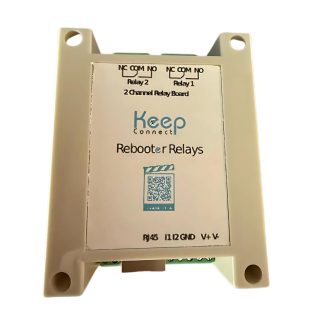
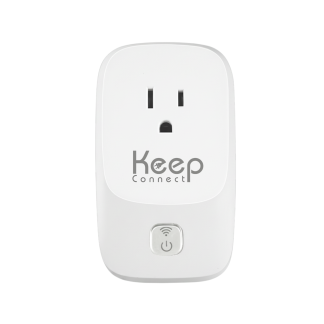
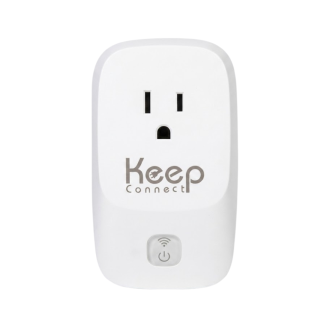
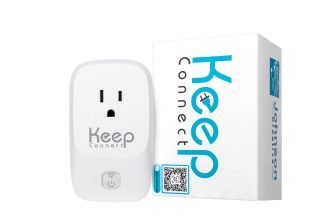
Keep Connect’s Pump Pal uses pump power-usage data to identify abnormal pump operation such as long run time, unusual cycling, dry-run behavior, overload, stuck floats, clogs, air-lock patterns, blocked discharge behavior, and early indicators of pump trouble.
That’s important because many pump problems show warning signs before they flood the basement.
Pump Pal sets up in minutes between the pump and a standard outlet, auto-calibrates, and connects to WiFi.
Monitors are especially effective at:
- Finished basements
- Holiday Homes
- Rental Units
- Elder family members’ houses
- Homes in storm-affected areas
- Properties where nobody checks the basement every day
Details are available on the Pump Pal product page.
Place water sensors at all secondary risk points
A basement water detector notifies you when water appears where it shouldn’t be.
You can set Keep Connect’s Water Pal around areas prone to leaks, and it will alert you when moisture appears. This is helpful in catching problems not related to sump pump failure.
Ideal spots include:
- Near the sump hole
- Next to the water heater
- Near floor drain
- Close to basement windows
- Beneath utility sinks
- Close to laundry machines
- In basement corners low
- In crawlspaces
- Close to HVAC condensation line
Water sensor is the reactive one. It tells you when there is water already. This is not like a sump pump monitor, which monitors pump behavior before water leaves the pit.
Read Water Leak Sensor vs Sump Pump Monitor for the full comparison.
Water Pal and Pump Pal team up to provide layered electronic protection.
“Water Pal and Pump Pal by Keep Connect cover the electronic monitoring layer — the one that works while you sleep, while you travel, and during the storms you cannot predict. See both at johnson-creative.com.”
Printable Checklist Summary
Use this checklist before storm season, before vacation, or any time you notice water near the basement.
| Checklist Item | Done |
|---|---|
| Gutters are clean and draining properly | ☐ |
| Downspouts extend 6+ feet from the foundation where possible | ☐ |
| Soil slopes away from the home | ☐ |
| Window wells are clear, covered, and draining | ☐ |
| Driveway and walkway cracks near the foundation are sealed | ☐ |
| Neighboring runoff is redirected away from the house | ☐ |
| Foundation cracks are inspected and sealed where appropriate | ☐ |
| Crawl space has a vapor barrier if needed | ☐ |
| Window well drains are functional | ☐ |
| Floor drain is clear and accessible | ☐ |
| Sump pump has been tested with water | ☐ |
| Float switch moves freely | ☐ |
| Discharge pipe drains away from the foundation | ☐ |
| Battery backup or secondary pump has been considered | ☐ |
| Sump pump monitor is installed for real-time alerts | ☐ |
| Water sensors are placed at secondary risk points | ☐ |
For broader planning, visit the Water Leak Detection Guide.
Frequently Asked Questions
The best way to prevent basement flooding is layered protection. Gutters, downspouts, grading, and drainage all work to keep water away from the foundation. Seal cracks and weak points of entry. Keep the sump pump and add electronic monitoring with a basement water detector and a sump pump monitor.
Basement waterproofing typically consists of exterior drainage upgrades, crack sealing, drainage around window wells, interior drainage, sump pump maintenance, and moisture control. The answer depends on where the water is coming in and whether it is due to surface runoff, groundwater, cracks, or sump system failure.
Place basement water detectors near the sump pit, water heater, floor drain, washing machine, basement windows, utility sink, HVAC condensate line, crawl space, and low points where water would show up first. If you have more than one trouble spot in the basement, use more than one sensor.
Test your sump pump a few times a year, especially before storm season. If your basement has flooded in the past, or your area receives heavy rain, test it monthly during wet months. And test it before you take a vacation as well.
If you have a finished basement, live in an area that receives heavy rains, or lose power during storms, a sump pump backup is highly recommended. If the primary pump fails, a basement can be secured with a battery backup, secondary pump, water-powered backup, or generator-supported setup.
A water sensor detects water when it touches the sensor. The sump pump monitor watches the pump as it runs and alerts you if the pump is not operating normally. Water sensors are best for leak detection; sump pump monitors are best for detecting pump trouble before water escapes the pit.