A summer storm dumps two inches of rain in 90 minutes. First line of defense is your sump pump. If it doesn’t work, the water gets there before you can do anything about it.
That’s why basement flood prevention is best done before the forecast turns severe. You may not have time to clean out the sump pit, fix a stuck float, lengthen downspouts, or find out that water is already seeping through a window well when the heavy rain starts.
This guide provides seven actionable steps on how to prevent basement flooding during summer storms, including how to test your sump pump, reduce water near your foundation and use Water Pal and Pump Pal by Keep Connect to receive real-time alerts when water or pump problems occur.
Table Of Contents
1. Why Summer Storms Are So Dangerous for Basements
2. How fast water accumulates during heavy rain
3. The 3 ways water enters a basement
4. 7 Steps to Prevent Basement Flooding Before the Next Storm
4.1. Step 1 — Test your sump pump now (before the storm)
4.2. Step 2 — Install a backup sump pump or battery backup
4.3. Step 3 — Check and clean the sump pit
4.4. Step 4 — Inspect window wells and seal gaps
4.5. Step 5 — Check downspout extensions (direct water 6 feet from foundation)
4.6. Step 6 — Grade soil away from the foundation
4.7. Step 7 — Set up a sump pump monitor for real-time alerts
5. What to Do If Your Basement Floods
5.1. First 30 minutes — stop the source, protect electricity
5.2. 24-48 hours — dry everything out (EPA mold guidance)
6. The Role of a Sump Pump Monitor in Storm Season
7. How Pump Pal detects pump failure before flooding starts
8. Frequently Asked Questions
Why Summer Storms Are So Dangerous for Basements
Summer storms are not just normal rainy days.
They can dump large amounts of water quickly, overwhelm drainage systems, saturate soil around the foundation and push water to the lowest point of the home. For many homes that lowest point is the basement or crawl space.
Even if a basement has been dry for years, it can flood during one intense storm if the sump pump fails, downspouts drain too close to the house or water finds an opening through a crack, window well or floor drain.
How fast water accumulates during heavy rain
It doesn’t take all day for heavy rain to do damage.
A fast-moving storm can fill gutters, overflow window wells, saturate soil and send water toward the foundation in a matter of an hour. Water pressure builds up against the basement walls and looks for the path of least resistance to get in.
That could be:
- Break in Foundation
- A basement window has a gap
- A drain in the floor
- A sump hole
- A badly sealed utility penetration
- A low outside door
- A window well that does not drain
If the sump pump is okay, it can take care of the water. If it fails, gets plugged, loses power or can’t keep up, flooding can happen fast.
That is why basement flood protection should involve both prevention and monitoring. You want to reduce the amount of water that reaches the foundation and you want to know immediately if water or pump trouble starts.
The 3 ways water enters a basement
Most basement flooding happens through one of three paths.
First, water enters through the foundation.
This can happen through cracks, gaps, porous concrete, or joints where the wall meets the floor.
Second, water enters through openings.
Basement windows, window wells, exterior doors, utility lines, and poorly sealed penetrations can allow water inside when drainage fails.
Third, water enters when the sump system fails.
If the sump pump stops working, the pit may overflow. If the check valve fails, water can flow back into the pit. If the discharge line clogs, water has nowhere to go.
A strong prevention plan addresses all three.
Storm coming? Do these 3 things right now:
Test your sump pump with a bucket of water.
Make sure downspouts push water at least 6 feet away from the foundation.
Place a water sensor near the sump pit or lowest basement area before the rain starts.
7 Steps to Prevent Basement Flooding Before the Next Storm
The best time to protect basement flooding is before the next storm warning.
These seven steps can reduce your risk and help you catch problems early.
Step 1 — Test your sump pump now (before the storm)
Don’t wait until a thunderstorm to test your sump pump out for the first time.
Add water slowly to the sump pit until the float rises, before the storm season. When the water level drops the pump should turn on and pump the water out and turn off.
Look out for problems:
- The pump does not get started.
- The float is jammed.
- The pump is humming but not pumping water.
- Pump runs but water drains slow.
- The pump is always running.
- When the pump stops, water returns to the pit.
If the pump isn’t working well, repair the problem before the next heavy rain.
For more information on how pumps work, see Why is My Sump Pump Running Constantly?
Step 2 — Install a backup sump pump or battery backup
If the power fails, a sump pump can’t protect your basement.
Summer storms often bring lightning, wind, and power outages. If your main pump is electric and the power goes out, water can back up quickly.
A battery backup or backup sump pump provides another layer of protection for your home.
Typical choices are
- Sump pump with battery backup
- Water-driven standby pump
- Secondary pump installed in same pit
- Generator-supported pump system.
The right backup depends on your home, pump setup, local code, water pressure and flood risk.
If your basement has finished living space, stored valuables, electrical equipment, or a history of water problems, a backup system is even more important.
Step 3 — Check and clean the sump pit
Over time a sump pit can fill with dirt, small stones, sediment, leaves and debris.
Such debris can block the pump intake, interfere with the float switch, or reduce the pump’s ability to move water.
Pre-storm season:
- Remove loose debris from pit.
- Ensure pump is upright.
- Make sure the float moves freely.
- Look for tangled cords.
- Ensure that the pump intake is not obstructed.
- Look for odd rust, smell or standing sludge.
- A clean sump pit allows the pump to do its job when heavy rain arrives.
If the pump has not been serviced for some time, consider having a plumber check the system before the wettest months.
Step 4 — Inspect window wells and seal gaps
Window wells are common leak points in the basement during summer storms.
If the drain becomes clogged with leaves, mulch, dirt, or debris, rainwater can collect in the well. The water level rises sufficiently to seep through the window frame or flow through a weak seal.
Before storms:
- Clean leaves and debris from window wells.
- Check that the drain is clear.
- Look for cracks around the window frame.
- Add or replace window well covers.
- If necessary, seal any visible gaps.
- Make sure the soil and mulch do not build up too high against the window.
Water should be directed away from the window, not trapped against the glass in the window well.
If a window well repeatedly fills up, the drainage system may need repair.
Step 5 — Check downspout extensions (direct water 6 feet from foundation)
Your gutters and downspouts direct the flow of water off your roof.
Downspouts that end too close to the house can dump gallons of water right next to the foundation during a storm. That water can saturate the soil, put pressure on basement walls, and flow toward cracks or weak spots.
A simple extension to the downspout can make a lot of difference.
As a general rule of thumb, whenever you can, direct water at least 6 feet away from the foundation and direct the flow downhill away from the house.
Ensure that:
- Gutters are clear.
- “Downspouts clear.
- Extensions are attached to.
- Basement windows no water discharge around.
- Water will not run to a neighbor’s property or run back towards your home.
- Splash blocks or extensions stay in place during storms.
This is one of the simplest ways to avoid water damage.
Step 6 — Grade soil away from the foundation
The ground around your house should slope away from the foundation.
If the land slopes towards the house, rainwater will naturally travel towards the basement walls. Even a working sump pump can have trouble if the landscape continues to send water back toward the foundation.
After it rains, walk along the outside of your home looking for pooling water.
Beware of:
- Low Spots and Basement Walls
- Then soil was placed beside the foundation
- Mulch against the siding
- Driveways or patios sloping towards the house
- water pooling around window wells
- Areas of discharge of downspouts
Adding soil to make a gentle slope away from the home may help, but do not pile soil against siding or cover weep holes: If you have serious drainage problems, you may need to hire a landscaper, drainage contractor, or foundation specialist.
Step 7 — Set up a sump pump monitor for real-time alerts
Even if you test your pump, clean out the pit, and correct drainage problems, problems can still happen.
A float can get stuck. A pump can get hot. The line of discharge may get clogged. Water can come sooner than you think. Power can go out. The pump can run for too long.
A sump pump monitor or alarm provides visibility when you’re not next to the pit.
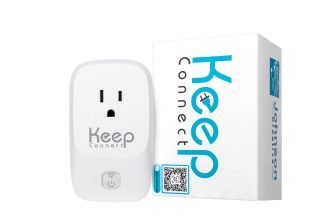
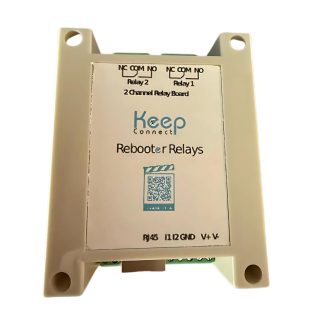
Pump Pal by Keep Connect monitors your sump pump activity and can alert you if it senses unusual pump activity. This is especially valuable during storm season when pump problems are often the first sign of storm-flooding.
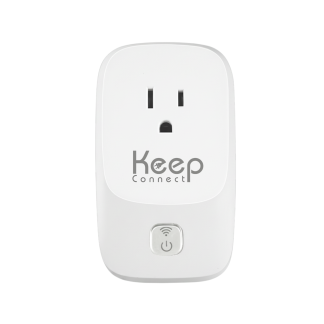
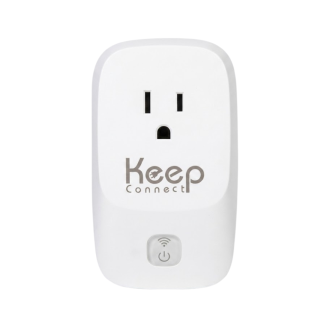
“Then we have a water sensor. Water Pal can tell you if there is moisture where it shouldn’t be, like around the sump pit, water heater, basement floor, or appliance.
Pump Pal and Water Pal work together, so you know what your pump is doing and if water is already showing up.
To learn the full setup process read How to Set Up a Sump Pump Monitoring System. You can also check out the Pump Pal product page and the Water Pal product page.
“Keep Connect’s Water Pal and Pump Pal provide you with storm protection 24/7. Receive a water sensor alert as soon as moisture is detected and a pump monitor alert if your sump pump experiences any issues. See both at www.johnson-creative.com.
What to Do If Your Basement Floods
If water is already entering the basement, act quickly but safely.
Do not rush into standing water if it may affect electrical outlets, cords, appliances, or the electrical panel. Water and electricity can be deadly.
First 30 minutes — stop the source, protect electricity
In the first 30 minutes, stop much of the water coming in and focus on safety.
Begin with these steps:
- Don’t go near standing water where there may be electricity.
- If power needs to be turned off, do so only if you are able to do so safely from a dry location.
- If water is coming from inside the house, turn off the water supply.
- Verify that the sump pump is running.
- Make sure the water is leaving the house.
- If safe, move valuables to a dry area.
- Call the plumber, electrician, restoration company, or emergency service if necessary.
If the sump pump isn’t working, check to see if it has power, if the float is stuck, and if the discharge line is blocked. When in doubt, call in a professional.
For more comprehensive water protection planning, see the Water Leak Detection Guide.
24-48 hours — dry everything out (EPA mold guidance)
Once the immediate water source is secured, the next priority is to dry.
Wet materials can remain wet and pose a risk for mold. The first 24 to 48 hours are important because flooring, drywall, insulation, wood, and stored items can retain moisture.
Concentrate on:
- Eliminate standing water
- Use dehumidifiers and fans.
- Removing wet carpet or pad if needed
- Drying walls and baseboard
- opening drawers and cupboards
- Throw away anything that can’t be safely cleaned.
- Looking under furniture and boxes
- Reporting damages for insurance purposes
If floodwater contains sewage, chemicals, or stormwater contamination, use professional cleanup.
A surface that looks dry does not mean the material behind it is dry. If you’re not sure, hire a restoration professional with moisture meters.
The Role of a Sump Pump Monitor in Storm Season
A sump pump monitor is more than a luxury. It can be the difference between catching a warning sign early in storm season and hearing about a flooded basement later.
Most homeowners don’t learn about a sump pump failure until water appears. By that time the problem is already serious.
Use a monitor to spot abnormal behavior sooner.
How Pump Pal detects pump failure before flooding starts
Pump Pal by Keep Connect is designed to monitor sump pump activity and notify you when the pump behaves abnormally.
This can help detect issues such as:
- Pump running too long
- Pump cycling too often
- Possible stuck float switch
- Possible dry-run condition
- Overload behavior
- Abnormal run patterns
- Signs the pump may not be moving water properly
These early warnings matter because a sump pump may show stress before it fails completely.
If the pump cycles every few minutes, you can check for backflow or a failed check valve. If it runs too long, you can inspect the pit, float, discharge pipe, and pump condition. If the pump pattern suddenly changes during a storm, you can send someone to check the basement before water spreads.
A sump pump monitor does not replace maintenance. You still need to test the pump, clean the pit, check drainage, and keep the discharge line clear.
But it gives your basement a way to alert you when something changes.
For homeowners who travel, manage rental properties, or simply want better basement flood protection, that alert can be the warning that prevents a much larger repair.
Frequently Asked Questions
You can test your sump pump by pouring water into the sump pit until the float rises. The pump should turn on, remove the water, and shut off when the water level drops. If it does not turn on, sounds unusual, runs too long, or fails to move water, inspect the float, power source, discharge pipe, and check valve.
Test your sump pump at least a few times per year and always before storm season. If your basement has a history of flooding or your area gets heavy summer storms, test it monthly during wet months. You should also test it before leaving for vacation.
Homeowners insurance may cover some types of sudden water damage, but it often does not cover flooding from outside water, groundwater seepage, or sewer backup unless you have specific coverage. Policies vary, so check your insurance documents and ask your agent about flood insurance, sewer backup coverage, and sump pump failure protection.