Your home has dozens of things that can go wrong while you are asleep, at work, or on vacation. A slow water leak can spread beneath flooring, a sump pump can stop working during a storm, a freezer can lose power, or your internet can drop when security devices need it most.
The right smart home sensors give you an early warning before a small problem becomes a costly emergency. Instead of discovering damage hours or days later, you receive an alert when conditions first change.
These five smart home monitoring devices cover some of the most common risks homeowners face: water leaks, basement flooding, extreme temperatures, power outages, and unreliable internet.
Why Smart Home Sensors Are Worth Every Penny
Most problems in the home do not become expensive because they can’t be fixed. They get expensive because no one sees them soon enough.
At first a leaking pipe might drip only a little water. A sump pump may fail before the worst of the rain arrives. Freezers stay cold for hours after a power outage, so it’s hard to tell if the food inside is in danger. A camera, thermostat or other connected device may depend on an internet connection that is lost.
Maintenance of the home is largely visual inspection. This approach works well if you are close to the problem but doesn’t do much to protect you if you are away.
Smart home sensors help to fill that gap, by continuously monitoring specific conditions. They can detect, depending on the device:
- Water contacting a probe
- Alterations in electrical activity
- Outside of a selected temperature range
- Humidity going up or down
- Power loss
- Internet connection lost
- Equipment that does not operate normally
And it’s not just about convenience. It’s time to respond.
An alert can be a chance to stop water, notify a neighbor, move items, turn on a backup system or call a professional before damage multiplies.
Smart home sensors can be particularly useful for:
- Homeowners who travel often
- vacation and rental property
- Basements – Finished
- Sump pump housing
- Houses with old plumbing
- Properties in areas of extreme temperatures
- Holiday homes and isolated cabins
- Homes with a freezer, fish tank or medical equipment
- Households reliant on a stable internet connection
The best home protection sensors are specialized for one risk and do it well. In conjunction they give a fuller picture of what is going on in the property.
Sensor #1 — Water Leak Detector (Water Pal)
One of the most important problems to detect early are water leaks that can spread fast and stay hidden.
The leak may start at the back of the washing machine or water heater or around a utility sink or in a basement or under plumbing that is seldom checked. Water can cause damage to flooring, drywall, insulation, furniture and stored items before it becomes visible.
The smart water leak sensor immediately warns you when water touches the sensor probe.
Where to place it
Position the water leak detector where water is most likely to appear first.
High-priority locations are:
- Next to the water heater
- Behind the laundry machine
- beneath a utility sink
- Close to a refrigerator supply line
- Under plumbing manifolds
- near a basement floor drain.
- Along a foundation wall that had previously seeped
- Close to HVAC or dehumidifier equipment
- Under sinks in bathrooms or kitchens
- Inside of a crawl space
- In a basement near valuables
Install the sensor at floor level or at the lowest point in the area. Water will naturally flow to low spots so smart placement can be used to speed up detection.
Do not place the sensor where routine cleaning, harmless condensation or occasional splashes may cause nuisance alerts. Should be close enough to pick up a real leak but not respond to normal household activity.
Larger homes may require more than one sensor. A detector next to the water heater can’t detect a washing machine on the other side of the house.
How it protects you
A basic leak alarm may emit a loud sound when it senses water. That’s fine if you’ve got someone at home, but a connected device can give you even more peace of mind by sending you a remote alert.
Water Pal is designed to know when water touches the probe and alert you by SMS or email. That means you are capable of finding a leak while working, sleeping, traveling, or running another property.
When you get an alert you can:
- Inspect the damaged area.
- Turn off the water supply as required.
- Move things around you.
- Start to dry the area.
- Call a plumber or restoration professional.
- If you’ll be away, have a neighbor or property manager look in on things.
“The sooner those steps start, the easier it is to limit damage.”
Test all water leak detectors after installation. Wet the probe with a small amount of clean water, make sure the alert is set to go to the correct phone number or email address and dry the sensor completely.
Test periodically and whenever you change your WiFi network, router, or contact information.
Sensor #2 — Sump Pump Monitor (Pump Pal)
One of the most important pieces of equipment in a basement is a sump pump, but many homeowners don’t think about it until the water starts to rise.
The pump is generally quiet in its pit, and only comes on when the groundwater gets to a certain level. That makes failure hard to spot in normal weather conditions.
A smart sump pump monitor keeps you in the know about the pump’s health and warns you if anything changes.
Why basement flooding is preventable
Pump Pal monitors the electrical load of the sump pump. This means it can monitor activity without the need of a traditional float sensor in the pit.
This is helpful because external probes and float switches can get dirty, move out of place, or need extra wiring.
A monitoring device can help you identify trends such as:
- Pump not running
- The pump is running more than it should
- Extremely long cycles
- Electrical behavior indicating a problem
- A change in system performance
Its greatest strength is being aware remotely. You get information about what the pump is doing, and can react when something looks wrong, instead of going down to check the sump pit every few hours during a storm.
Place the monitor close by in a dry area and follow the setup instructions precisely. Test the system before the emergency, not in the middle of the emergency. Test the system before the severe weather arrives, not in the middle of the emergency.
For extra security, consider adding a floor-level water sensor to your sump pump monitor. The pump monitor watches the equipment’s operation and the leak detector tells you when water gets to somewhere it shouldn’t.
What Pump Pal detects
Pump Pal monitors the electrical load of the sump pump. This means it can monitor activity without the need of a traditional float sensor in the pit.
This is helpful because external probes and float switches can get dirty, move out of place, or need extra wiring.
A monitoring device can help you identify trends such as:
- Pump not running
- The pump is running more than it should
- Extremely long cycles
- Electrical behavior indicating a problem
- A change in system performance
Its greatest strength is being aware remotely. You get information about what the pump is doing, and can react when something looks wrong, instead of going down to check the sump pit every few hours during a storm.
Place the monitor close by in a dry area and follow the setup instructions precisely. Test the system before the emergency, not in the middle of the emergency. Test the system before the severe weather arrives, not in the middle of the emergency.
For extra security, consider adding a floor-level water sensor to your sump pump monitor. The pump monitor watches the equipment’s operation and the leak detector tells you when water gets to somewhere it shouldn’t.
Sensor #3 — Temperature & Humidity Sensor (Climate Pal)
Temperature and humidity affect more than just comfort.
Extreme hot or cold temperatures can damage plumbing, plants, electronics, stored materials, food, musical instruments, and sensitive equipment. High humidity can promote mold, rust and condensation. High humidity can be damaging to wood and other materials.
A WiFi temperature and humidity sensor will enable you to monitor these conditions from a distance, receiving alerts when the readings go beyond the range you’ve set.
Best use cases: greenhouses, vacation rentals, and server rooms
A smart temperature sensor is useful almost anywhere, but several situations benefit especially from continuous monitoring.
Greenhouses
Plants can be sensitive to sudden temperature changes. A cold night, failed heater, stuck vent, or hot afternoon may damage a greenhouse before anyone notices.
A remote sensor can alert you when temperature or humidity becomes too high or too low, giving you time to adjust ventilation, heating, cooling, or watering.
Vacation rentals and second homes
An empty property can experience serious damage without producing any obvious warning.
A failed furnace during freezing weather may allow pipes to freeze. Excess humidity may encourage mold. A cooling system failure may make the property unsafe or uncomfortable for arriving guests.
Remote monitoring helps owners and property managers respond without visiting the property every day.
Server rooms and network closets
Electronics generate heat and may become unreliable when ventilation or cooling fails. A temperature sensor can warn you before equipment overheats.
Humidity also matters. Excess moisture can contribute to condensation and corrosion, while extremely dry conditions may increase static electricity.
Basements and crawl spaces
A humidity spike may reveal water intrusion, condensation, or a ventilation problem. Tracking conditions over time can help homeowners spot patterns that are difficult to notice during occasional inspections.
Wine storage and collections
Wine, instruments, artwork, documents, and other stored items may require stable environmental conditions. Remote alerts can help protect them when heating, cooling, or dehumidification equipment stops working.
Climate Pal monitors temperature and humidity and sends SMS or email alerts when readings move outside the selected range. It is battery-powered, does not require a separate hub, and can be used wherever suitable WiFi coverage is available.
Choose alert thresholds that match the space rather than relying on one setting for the entire home. A greenhouse, basement, server room, and wine cellar may each require different ranges.
After setup, test both high and low alerts. Confirm that notifications reach the right person and that the device remains connected from its final location.
Sensor #4 — Power Outage Monitor (PowerPal)
When you are home, it is easy to notice a power outage. The lights go out . The appliances cease to work . The backup systems may engage .
But when the property is empty, the situation changes.
A brief outage may not do much damage, but an extended one can throw a wrench in the works of food storage, heating and cooling, security systems, medical equipment, aquariums and Internet equipment.
A power outage monitor will let you know when the power has gone out and can notify you when the power is restored.
Who needs this most
Power monitoring is especially valuable for:
- Homeowners who travel
- Vacation homes and cabins
- Rental properties
- Houses in storm-prone areas
- Homes with frequent grid interruptions
- Properties that depend on sump pumps
- People with refrigerated medication
- Households using powered medical equipment
- Homes with large freezers
- Aquarium owners
- Remote offices and equipment rooms
An outage alert gives you useful context. You can check the utility provider, contact someone near the property, start a generator when appropriate, or decide whether refrigerated items need attention.
It can also help distinguish between a general power outage and a failure affecting only one appliance or circuit.
What happens during an outage: freezers, medical equipment, and fish tanks
Different household systems respond to power loss in different ways.
Freezers and refrigerators
Cold appliances do not warm immediately when power fails, but their safe holding time depends on factors such as room temperature, how full they are, and how often the door is opened.
An early alert lets you avoid opening the appliance unnecessarily and helps you decide whether backup power or another storage option is needed.
Medical equipment
Some households rely on electrically powered medical devices, refrigeration for medication, or climate control for health reasons. In these situations, outage monitoring should be part of a broader emergency plan that includes backup power and clear response procedures.
A sensor does not replace those systems. It provides an additional warning that helps the household act sooner.
Fish tanks and aquariums
Aquariums may depend on pumps, filters, heaters, lights, and aeration. A prolonged outage can create risks for fish and other aquatic life.
An immediate alert gives the owner time to activate battery-powered aeration, a generator, or another backup solution.
Sump pumps
Most primary sump pumps rely on house power. A power outage during a heavy rain, when the pump is most needed, may disable the pump.
You get more coverage with a power monitor that also has a sump pump monitor and water leak detector. One device reports the outage, another monitors the pump, and the third detects water if it begins escaping the pit.
PowerPal is designed to help monitor the electricity and alert homeowners if there is an outage or other unusual power activity. Place it where it can always watch the most important circuit or equipment.
Sensor #5 — Internet Reliability Device (Keep Connect)
Most primary sump pumps use house power. If the power goes out during a heavy rain, when the pump is needed most, the pump can be disabled.
Additional coverage is available with a power monitor, with a sump pump monitor and water leak detector. One device will report the outage and the other will monitor the pump . And the third device will detect water if it starts escaping the pit .
PowerPal is designed to help homeowners monitor electricity and alert them if there is a power outage or other abnormal power activity. Position it so that it can always see the most vital circuit or equipment.
Why internet drops are more costly than people think
A brief outage may seem harmless, but its impact depends on what relies on the connection.
An unstable network can cause:
- Missed security camera recordings
- Offline doorbells and smart locks
- Failed remote sensor notifications
- Interrupted work meetings
- Disconnected home offices
- Unavailable smart thermostats
- Failed remote property access
- Offline point-of-sale or business equipment
- Repeated service calls
- Manual router restarts at inconvenient times
For homeowners managing a second property, an internet outage can also cut off visibility into the home. Cameras and connected sensors may appear offline, leaving you unsure whether the issue is the network or the device itself.
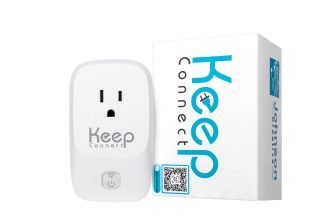
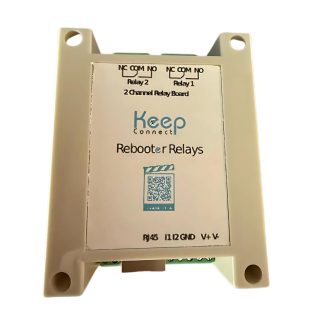
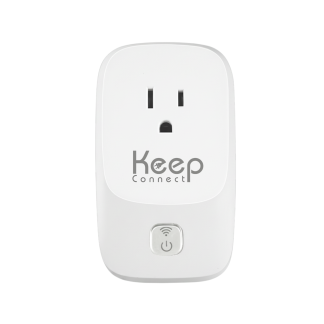
Keep Connect plugs between network equipment and the electrical outlet. It monitors the connection and power cycles the attached router or modem when the internet drops.
That removes the need for someone to visit the property simply to unplug the router and plug it back in.
It also helps other smart home sensors remain connected. A water detector or temperature monitor cannot send a cloud-based alert when the network is unavailable, so internet reliability supports the rest of the home monitoring system.
Place Keep Connect where it can control the correct network equipment. Confirm that the router, modem, or combined gateway is connected as instructed, and test the automatic recovery process after installation.
The Complete Home ProtectionBundle
Each of these devices protects against a different problem:
| Smart sensor | Primary risk monitored | Best locations |
|---|---|---|
| Water Pal | Leaks and unwanted water | Water heater, washer, basement, crawl space |
| Pump Pal | Sump pump activity and failure warning | Sump pump system |
| Climate Pal | Temperature and humidity changes | Greenhouse, basement, rental, server room |
| PowerPal | Power loss and electrical interruptions | Freezer, utility area, remote property |
| Keep Connect | Internet failure and router recovery | Router and modem location |
Used together, they create a layered home protection system.
For example, imagine a heavy storm causes a neighborhood outage:
- PowerPal alerts you that electricity has been lost.
- Pump Pal helps you monitor the sump pump system.
- Water Pal detects water if the pit overflows.
- Climate Pal tracks changing basement conditions.
- Keep Connect restores network equipment when power and service return.
No single sensor can monitor every risk. The strength of a bundle comes from combining specialized devices.
A complete setup is particularly useful in homes with basements, remote properties, vacation rentals, and houses that remain empty for long periods.
Before choosing devices, walk through the home and identify the most expensive or disruptive failures that could occur unnoticed.
Ask:
- Where could water appear?
- What equipment must continue running?
- Which rooms are sensitive to heat, cold, or humidity?
- What depends on the internet?
- What would be difficult to inspect while away?
- Who should receive each alert?
Then place each sensor where it provides the greatest value.
Use clear device names in the app, such as “Basement Water Heater,” “Main Sump Pump,” or “Garage Freezer Power.” Specific names make alerts easier to understand during an emergency.
Test every sensor after installation and create a simple response plan. An alert is most useful when everyone knows what to do next.
All 5 sensors are available from Keep Connect — built on the same cloud ecosystem, managed from one app. Protect your home starting from $49.99 per sensor.
FAQ
Yes. The sensors monitor different conditions, so they can work together as part of a broader home protection system.
A homeowner might use Water Pal near the water heater, Pump Pal for the sump pump, Climate Pal in a basement or greenhouse, PowerPal for outage monitoring, and Keep Connect to support internet reliability.
Using several sensors gives you better coverage than relying on one general-purpose device.
The Keep Connect product family is built around the same cloud ecosystem and can be managed through one app. This helps homeowners check multiple devices without switching between several unrelated platforms.
During setup, give each device a clear name and confirm that notifications are enabled for the correct phone numbers or email addresses.
The total depends on the number of sensors, the size of the property, and the risks you want to monitor.
Some homeowners may begin with one or two high-priority devices, such as a water leak detector and sump pump monitor. A larger property may need multiple leak or temperature sensors to cover separate rooms and appliances.
Keep Connect sensors start from $49.99 per sensor. Build the system in stages by protecting the highest-risk areas first, then adding coverage where it provides the most value.
All 5 sensors are available from Keep Connect — built on the same cloud ecosystem, managed from one app. Protect your home starting from $49.99 per sensor.
You have not enough Humanizer words left. Upgrade your Surfer plan.